
Favorite Products For Efficient Windows Installation Processes
Explore trusted products that help you install Windows smoothly, saving time and reducing setup complications.
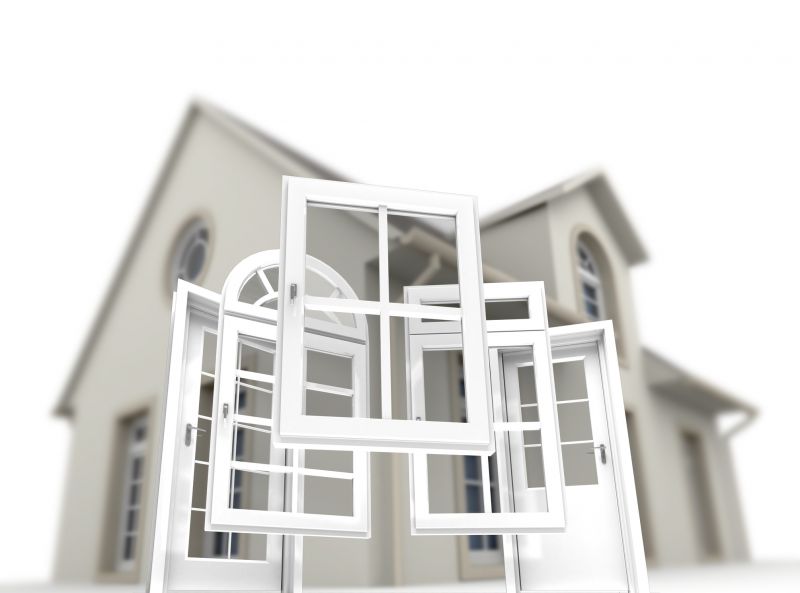 When undertaking a window installation project, selecting the right products is essential to ensure durability, functionality, and aesthetic appeal. The market offers a diverse array of options, from various types of window frames and glass to specialized sealing and weatherproofing materials. Understanding the different product categories and their specific applications can help homeowners and contractors make informed decisions that align with their project goals.
Top Overall Option
Multi-Component Window Installation Kit
A comprehensive window installation kit that includes various essential components such as sealing tapes, flashing, screws, and shims. Designed to support a wide range of window types and sizes, this kit provides all-in-one convenience for professional or DIY projects. Its versatility and detailed instructions aim to facilitate a secure, weather-tight fit for windows in residential settings.
Types of Products For Windows Installations
Vinyl Window Frames
Durable, low-maintenance frames that offer good insulation and resistance to moisture.
Wood Window Frames
Classic aesthetic with natural insulation properties, requiring regular upkeep.
Aluminum Window Frames
Strong and lightweight frames suitable for large or modern window designs.
Composite Window Frames
Combination of materials providing enhanced strength and weather resistance.
Double-Glazed Windows
Windows with two panes of glass separated by a space, improving energy efficiency.
Triple-Glazed Windows
Enhanced insulation with three layers of glass, ideal for extreme climates.
Low-Emissivity Glass
Glass coated to reduce heat transfer, increasing energy savings.
Tempered Glass
Safety glass that shatters into small, less dangerous pieces upon breakage.
Weatherstripping
Materials used to seal gaps around windows, preventing drafts and moisture intrusion.
Caulking and Sealants
Products applied to fill gaps and create airtight seals around window perimeters.
Window Locks and Security Devices
Hardware designed to enhance the security and safety of installed windows.
Screens and Meshes
Protective barriers that keep insects out while allowing airflow.
Shading Devices
Blinds, shades, or exterior shading options to control sunlight and privacy.
Flashings and Sills
Metal or plastic components that direct water away from the window opening.
Insulation Foam
Expanding foam used to fill cavities and improve thermal performance.
Popular Choices
Widely used for reducing energy costs and enhancing comfort inside homes.
Preferred for their low maintenance and good insulation properties.
Commonly selected for their balance of performance and affordability.
Popular for sealing existing windows and improving energy efficiency.
Chosen for safety-critical applications and high-traffic areas.
Frequently installed to enhance safety and prevent unauthorized entry.
Popular for keeping insects out while maintaining airflow.
Commonly used to reduce heat gain and improve privacy.
Often applied during installation to improve thermal performance.
Selected for their strength and modern appearance.
Gaining popularity in colder regions for their enhanced insulation.
Widely used to optimize energy savings and comfort.
Commonly purchased for sealing around existing and new windows.
Increasing in popularity due to their durability and low maintenance.
Popular for their space-saving design and ease of use.
Favored for their tight seal and unobstructed views.
Chosen for ventilation and weather resistance.
Popular for adding architectural interest and interior space.
The foundation of any successful window installation begins with choosing the appropriate frame material. Common options include vinyl, wood, aluminum, and composite materials, each offering distinct benefits in terms of insulation, maintenance, and visual style. Complementing the frames, the glass selection plays a crucial role in energy efficiency and security. Modern glazing options include double or triple-pane configurations, low-emissivity coatings, and tempered glass, all designed to enhance performance.
In addition to the main components, sealing and weatherproofing products are vital for protecting the interior from drafts, moisture, and temperature fluctuations. Weatherstripping, caulking, and foam tapes are commonly used to create airtight seals around the window perimeter. For added security and privacy, window locks, screens, and shading devices can be incorporated into the installation process. Properly selecting and applying these products can extend the lifespan of windows and improve overall building performance.
Key Buying Considerations
- Determine the primary purpose of the windows, such as energy efficiency, security, or aesthetics.
- Choose the appropriate frame material based on climate, maintenance preferences, and style.
- Evaluate the type of glass, considering options like double or triple glazing for insulation needs.
- Assess the level of security features required, including locks and reinforced glass.
- Consider the installation method—DIY or professional—to ensure proper fitting and sealing.
- Check for compatibility with existing window openings and architectural style.
- Review energy ratings and certifications to understand performance levels.
- Factor in the climate zone of Franklin, TN, to select suitable insulation and glazing options.
- Examine the ease of operation, especially for casement, sliding, or awning windows.
- Look into additional features such as UV protection, noise reduction, or tinting.
- Consider maintenance requirements and longevity of the materials chosen.
- Budget accordingly, balancing initial costs with long-term savings and durability.
- Verify product warranties and after-sales support for peace of mind.
- Assess aesthetic compatibility with your home's exterior and interior design.
- Research local building codes and regulations to ensure compliance with installation standards.